

2026 Colorado VAN LIFE Leaf Peeping GUIDE
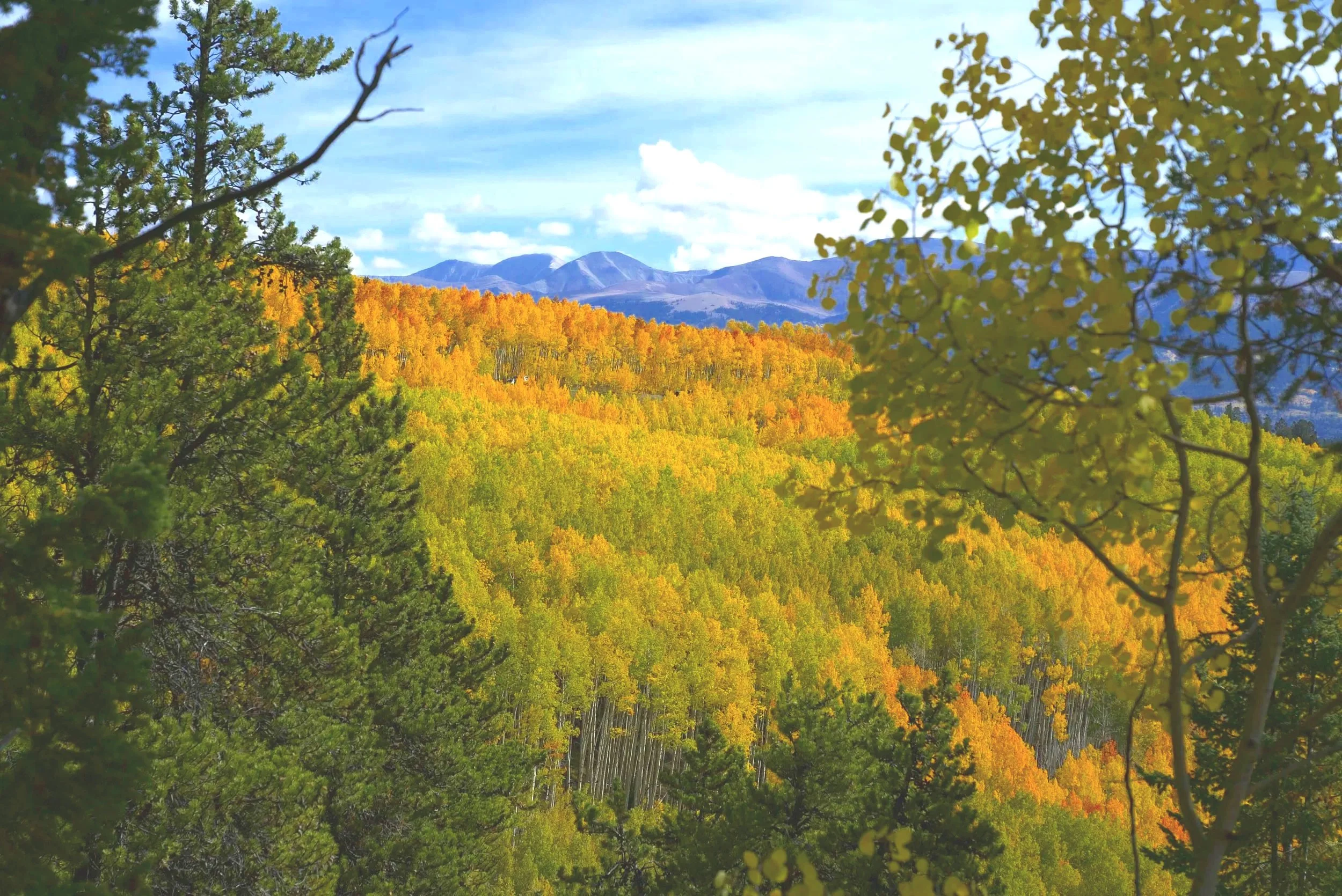
Leaf peeping in Colorado isn’t just a weekend diversion, it’s a seasonal pilgrimage. The gold rush of autumn comes in waves here, spilling from the northern peaks to the southern valleys, from the highest alpine passes down to the sheltered river bottoms.
If you time it right, or even if you don’t, you’ll almost always find a grove at its peak somewhere in the state. The search becomes part of the magic.
Bobby Wild / AUGUST 19, 2026
The Science Behind the Gold
Aspens are Colorado’s signature autumn tree. They’re a clonal species, meaning entire groves can be one living organism, connected by an underground network of roots. When conditions shift toward fall: shorter days, cooler nights. Chlorophyll production slows, and the green drains from their leaves. What’s left is a burst of carotenoids, pigments that have been there all along but hidden beneath the green.
In aspens, that pigment shows up as a pure, almost luminescent yellow. On certain days, under a high mountain sun, the color doesn’t just look bright—it feels like it’s radiating.
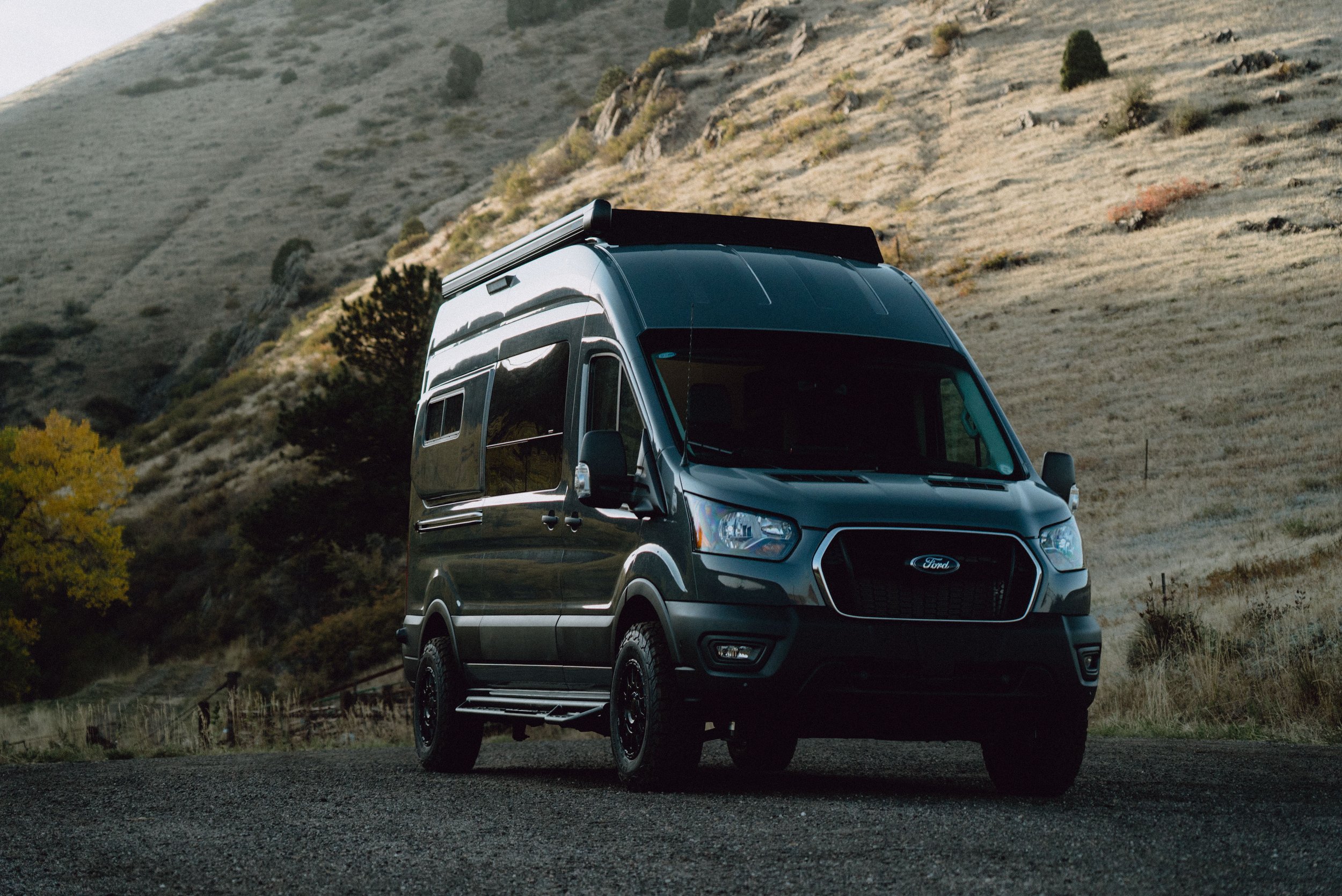
CAV Custom Build: Tink
Inspired by a lifestyle that creates space to balance work with nature—this van features a unique layout, clean lines, and a modern aesthetic.
The Joy of the Grove
There’s something singular about standing in the middle of an aspen grove in peak season. Tens of thousands of golden leaves flicker above you, each acting like a tiny mirror catching the light. The sound is soft but steady—a whispering applause as the wind threads through the branches.
It’s worth slowing down here. Bring your favorite novel. Find a log or a rock to lean against. Let your eyes drift between the page and the canopy, the way you might look back and forth between a campfire and the stars. And when you get up to leave, collect a few fallen leaves to press between the pages. Weeks later, back at home with your van parked in the driveway, you’ll find them again—a fragile little time machine.
Reading the Map: North to South, High to Low
Colorado’s leaf season is more of a rolling procession than a fixed event. The general cartography looks like this:
Late September: The northern ranges—like the Never Summer Mountains or the Medicine Bow—start first.
Early October: The central high country—Vail, Aspen, the Collegiate Peaks—hits its stride.
Mid October: Southern ranges like the San Juans and Sangre de Cristos begin their show.
Elevation is its own layer of the map. Higher elevations—10,000 feet and up—turn first, even within the same latitude. Lower valleys and foothills may lag by a week or more.
This staggered schedule means that even if the grove you just passed has dropped its leaves, another one is lighting up just a few valleys away. The game is in the chase—using weather reports, trail intel, and a bit of instinct to stay in step with the season.
The Drought Wrinkle
Most of Colorado is dry this year. As of early September, close to 90 percent of the state sits in some level of drought, and the state's had one of its driest January-through-July stretches on record. Trees feel that before people do.
John Murgel, a horticulture specialist with CSU Extension, put it plainly: stressed trees don't have the resources for a long, gradual fade into dormancy. They go fast. Expect color a week or so ahead of the usual schedule, and expect it to move—peak to bare—quicker than a normal year.
One caution worth passing on: not every yellow leaf you see right now is fall color. Dr. Dan West of the Colorado State Forest Service has pointed out that a lot of what's showing up early is drought necrosis—leaves stressed enough to yellow and brown at the edges, which looks like autumn but isn't. True color change moving through the whole grove is still weeks out in most places.
Net effect for a trip: don't wait for the "perfect" weekend. If a grove looks good, go. The 2025 approach of watching forecasts and picking your week doesn't hold this year—the window's shorter, and it won't wait for you
Making the Most of the Season
Follow the Forecast: A sudden cold snap can accelerate color change; a warm week can stall it.
Go Midweek: Popular passes and trailheads can be crowded on weekends.
Bring Layers: Mornings in the mountains can be near freezing, afternoons in the 60s.
Stay Flexible: Some of the best moments come when you follow a side road you hadn’t planned on taking.
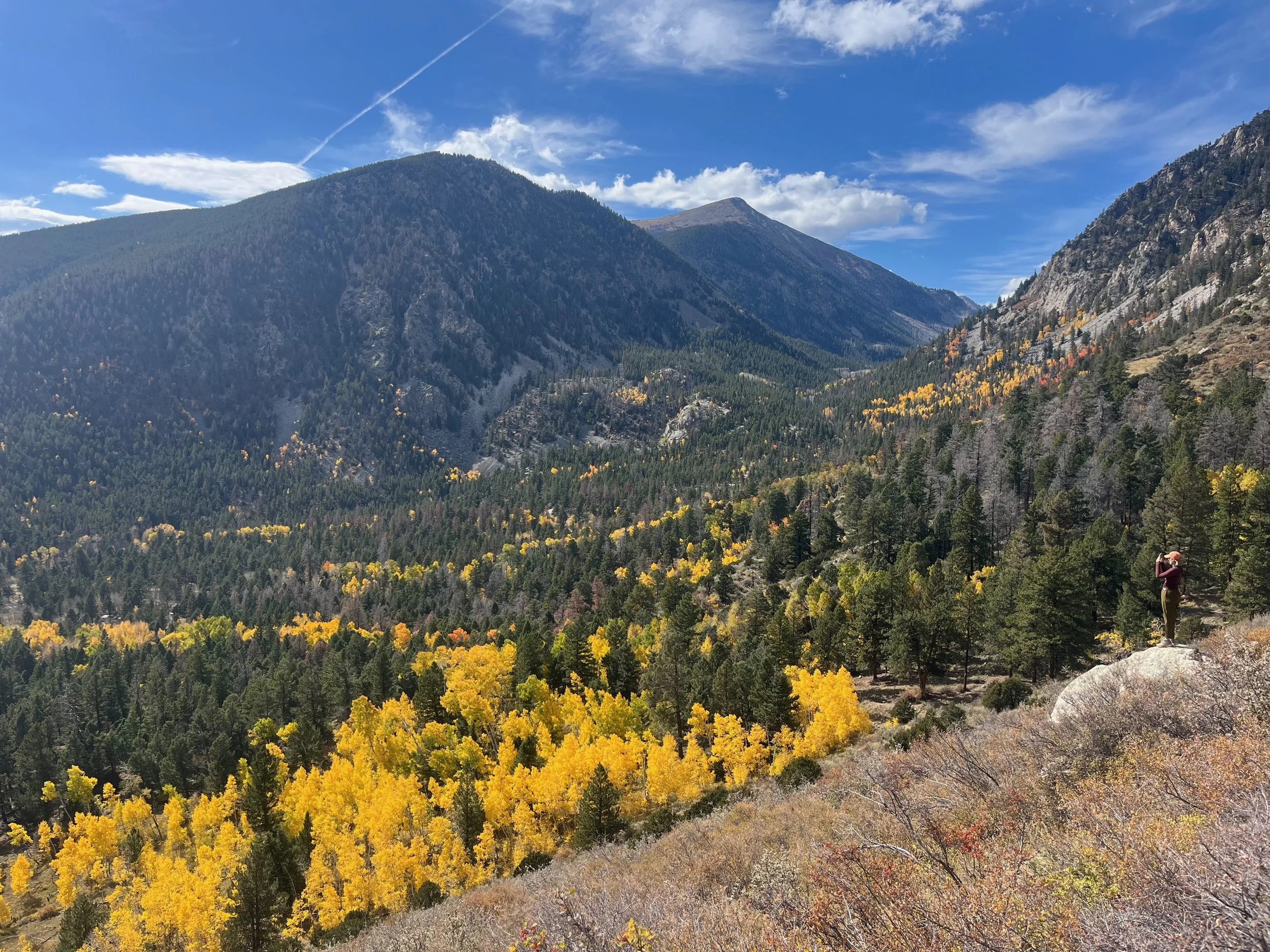
Leaf peeping here isn’t just about the colors. It’s about inhabiting the rhythm of the place—the way light, temperature, and geography conspire to create something fleeting. The leaves don’t wait, and they don’t linger. You learn to move with them, to be in the right place at the right time, and to accept that you can’t catch them all.
That’s the magic of a Colorado autumn: knowing that somewhere, in some hidden gulch or along some remote ridge, a grove is turning gold at this exact moment—whether you see it or not.

Why Choose Colorado Adventure Vans for your camper van rental?
Fully equipped with comfortable sleeping space, kitchenette, and space to store your outdoor gear.
Flexible rental periods for short getaways or longer trips.
Convenient pickup in Golden, CO at the foothills of the Colorado Rocky Mountains.
Ready to Start Your Adventure?
Book your adventure van today and discover the beauty of Colorado like never before.
Book Now at outdoorsy.com.
Follow us on Instagram: @coadventurevans

Colorado Adventure Vans is an Upfitter based in Golden, Colorado.
Building out vans since 2017, we take great care with every build in our shop. Our focus is quality, not volume, aiming our attention to detail to ensure your adventure rig is ready for anything the road throws at you.